 Listicle
Behind the Scenes Airline Secrets: What Crew Won't Tell You
Last Updated: October 23, 2026
Quick Summary
Behind the scenes airline secrets reveal that before every flight, pilots and maintenance crews run exhaustive preflight checklists covering fuel, tire pressure, and emergency systems, while ground crews simultaneously clean cabins, restock supplies, and refuel aircraft in 30 to 45 minutes. Flight attendants manage far more than beverage service, including safety protocols, medical emergencies, passenger profiling, and constant cabin monitoring at 35,000 feet.
- Pilots follow FAA-required preflight checklists religiously, checking everything from fuselage dents to hydraulic fluid before departure.
- Ground crews have 30 to 45 minutes to turn an aircraft around, coordinating baggage handlers, cleaners, fuelers, and mechanics simultaneously.
- Flight attendants are trained in first aid, CPR, emergency medical response, and can operate emergency doors and evacuation slides.
- Between flights, cleaners prioritize high-touch surfaces like armrests and tray tables but cannot deep clean a 150-seat aircraft in 15 to 20 minutes.
- Flight attendants notice passenger behavior constantly and can spot nervous flyers, intoxicated passengers, and potential safety threats through professional observation.
Table of Contents
- What Happens Before a Flight Takes Off
- Flight Attendant Duties During a Flight
- What Flight Attendants Know About Passengers
- Behind the Scenes Airline Secrets About Cabin Cleanliness
- Airline Travel Tips From Flight Attendants
- Pilot Routines and Cockpit Procedures
- Passenger Behavior and Crew Observations
- Conclusion
- Frequently Asked Questions
What Happens Before a Flight Takes Off
You're sitting at the gate, coffee in hand, watching the ground crew move around the tarmac like they're choreographed for a dance number. But here's what most passengers never see: there's a whole production happening before anyone's allowed to board. At Cabin Pressure with Shawn & G, we've spent decades watching these operations, and trust us, the behind the scenes airline secrets are far more interesting than whatever's on the seatback screen.
The aircraft you're about to board has been through more checks than your luggage will ever face. Every single flight requires a meticulous series of inspections and preparations that most travelers have no idea about.
The Preflight Checklist Nobody Sees
Before a single passenger steps foot on the plane, pilots and maintenance crews run through an exhaustive preflight checklist. This isn't just a quick glance-over.
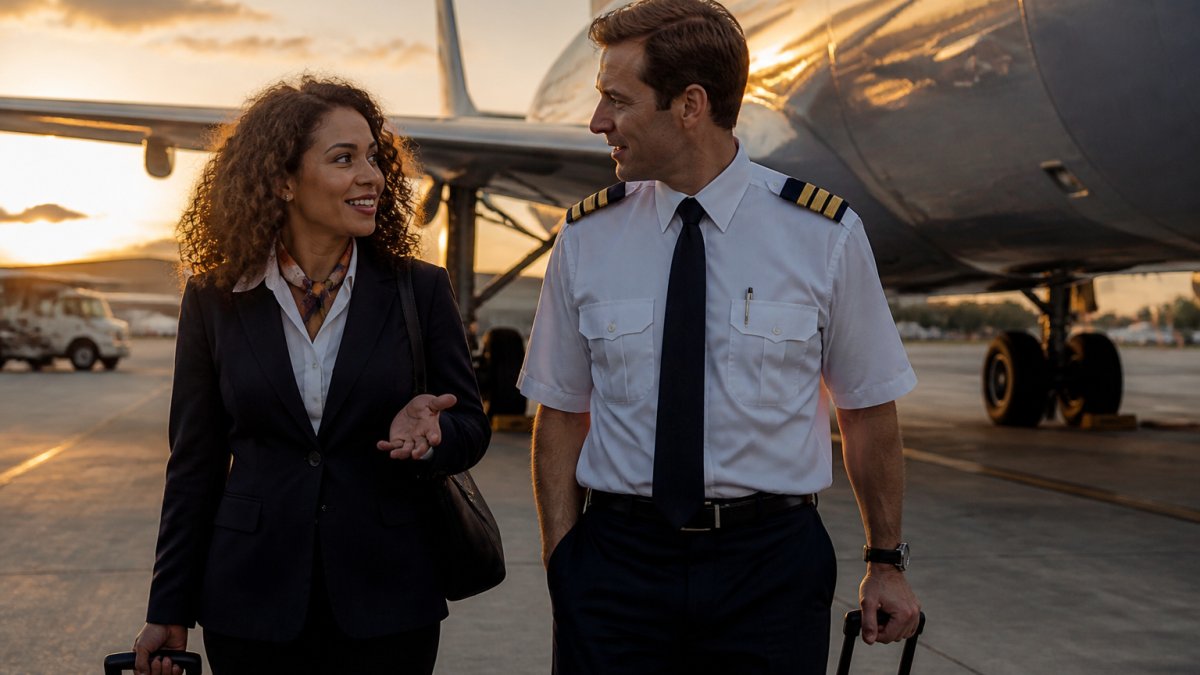
The captain and first officer arrive well before boarding begins. They meet with the ground crew, review weather reports, check fuel calculations, and inspect the exterior of the aircraft. They're literally walking around the plane, checking for anything that looks off.
One of the behind the scenes airline secrets that surprises people: pilots have a specific order for their preflight checks, and they follow it religiously. It's not random. It's designed so they don't miss anything.
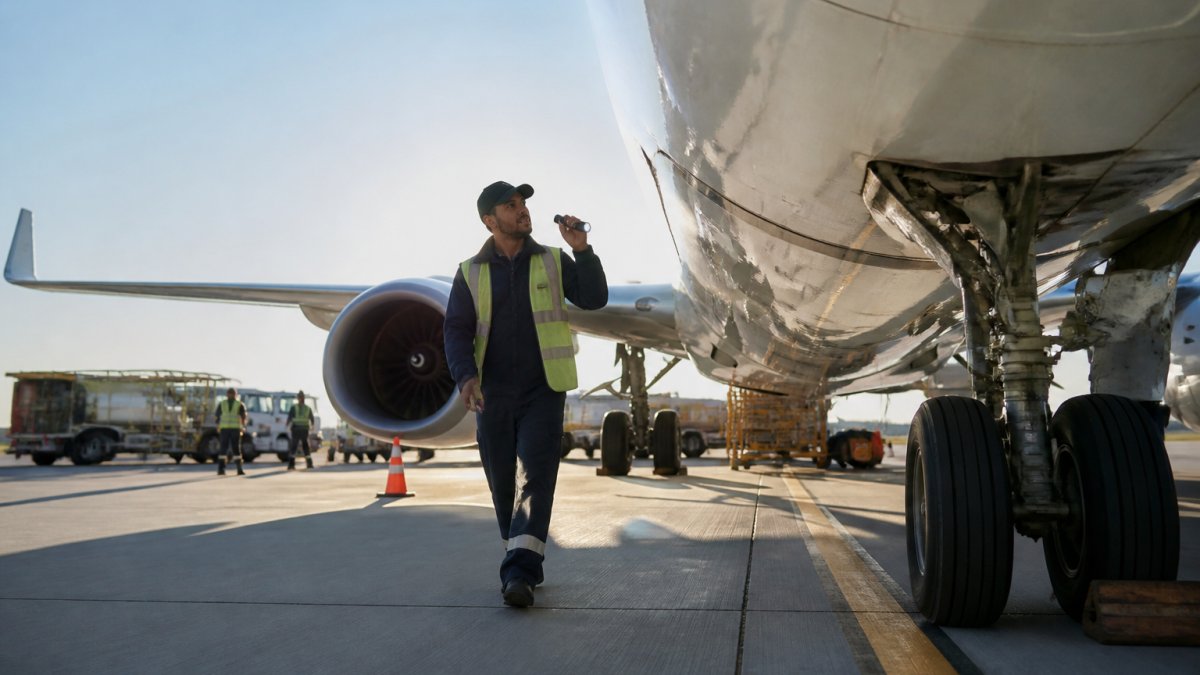
Ground Crew and Aircraft Turnaround
Once a flight lands, the real chaos begins. You've got maybe 30 to 45 minutes to turn the aircraft around for the next flight. That means deplaning passengers, cleaning the cabin, restocking supplies, refueling, loading new cargo, and getting everything ready for the next wave of travelers.
The ground crew is the unsung hero of aviation. Baggage handlers, cleaners, fuelers, catering staff, mechanics, they're all working simultaneously to get that plane ready. The baggage handlers are loading your luggage into the cargo hold while cleaners are vacuuming the cabin and restocking lavatories.
What most people don't realize is that the aircraft turnaround is one of the most critical phases of operations. Any mechanical issue discovered during this window means the flight gets delayed or cancelled. A missing safety pin on a door latch?
Flight Attendant Duties During a Flight
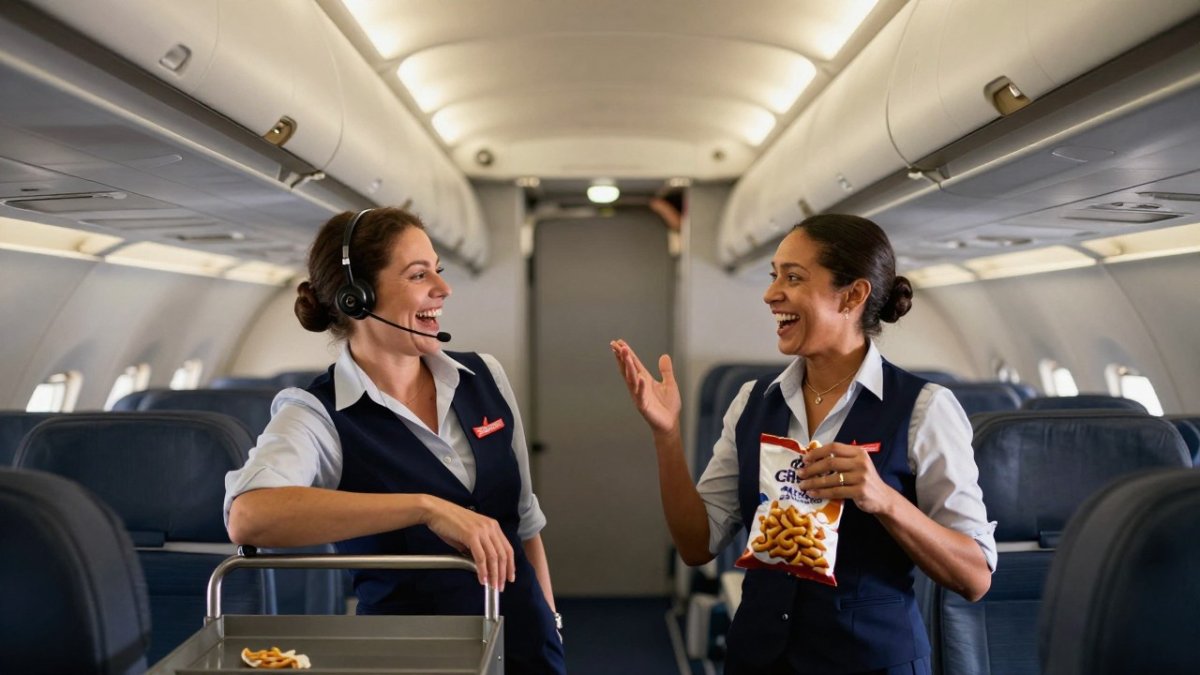
People think flight attendants spend eight hours serving drinks and smiling. That's maybe 20% of the job. The rest involves safety protocols, emergency procedures, passenger management, and a thousand small details that keep flights running smoothly.
When you board, the flight attendants are already working. They're checking that the cabin is secure, that all emergency equipment is in place, and that they know where every passenger is sitting. They're mentally running through scenarios: what if there's medical emergency? What if we need to evacuate? Where are the unaccompanied minors? It sounds intense because it is.
Beyond the Beverage Cart
The beverage service is the visible part of the job. What passengers don't see is everything else. Flight attendants are trained to notice behavioral changes, medical emergencies, and potential safety threats. They're observing passengers constantly, not in a creepy way, but professionally.
Flight attendants also manage the cabin environment. They're monitoring oxygen levels, cabin pressure, temperature, and humidity. If something feels off, literally, they report it to the cockpit. They're checking on lavatories to make sure they're functioning properly. They're restocking supplies, managing waste, and keeping the cabin as sanitary as possible during flight.
One of the behind the scenes airline secrets that people find shocking: flight attendants are trained in first aid, CPR, and emergency medical response. On many flights, the flight attendant is the first responder if a passenger has a medical emergency at 35,000 feet.
Safety and Emergency Protocols
Every flight attendant goes through rigorous safety training. They can operate emergency doors, deploy evacuation slides, and manage evacuations. They know how to fight fires in the galley, how to handle unruly passengers, and how to respond to medical emergencies. They practice these procedures regularly because lives depend on it.
The safety demonstration you see at the beginning of the flight? That's required by law, and flight attendants have to deliver it on every single flight, even if it's the hundredth time that day. They're required to make eye contact with passengers to ensure people are actually paying attention. It might seem repetitive to you, but from a safety standpoint, it matters.
What Flight Attendants Know About Passengers
Flight attendants have seen everything. And we mean everything. After years in this job, you develop an uncanny ability to read people and predict behavior. We can spot the nervous flyer, the frequent traveler, the person who's going to be difficult, and the person who's going to need extra help.
One of the behind the scenes airline secrets that flight attendants won't tell you directly: they're profiling passengers for safety and service purposes. Not in a discriminatory way, but they're assessing who might need help, who might cause problems, and who might have a medical issue.
Flight attendants also understand passenger psychology better than most people realize. They know why people are anxious, why they're angry, and what will calm them down. They're trained in de-escalation techniques because they encounter conflict regularly.
Behind the Scenes Airline Secrets About Cabin Cleanliness
Let's be honest: airplane cabins are not the cleanest environments. But the cleaning crews do their best within the time constraints they have. Between flights, cleaners have maybe 15 to 20 minutes to vacuum, wipe down surfaces, empty trash, and restock supplies.
What actually gets cleaned between flights? High-touch surfaces get priority, armrests, tray tables, lavatories, door handles. The carpet gets vacuumed. Trash gets emptied. But a thorough deep clean? That happens during overnight maintenance or scheduled maintenance checks, not during the quick turnaround between flights.
One practical tip: bring antibacterial wipes or hand sanitizer. Use them on your armrest, tray table, and the area around your seat. You're not being paranoid, you're being practical. Planes are high-traffic environments, and germs spread quickly in confined spaces with recycled air.
Airline Travel Tips From Flight Attendants
After thousands of flights, we've learned what actually works for comfortable travel. Here are the behind the scenes airline secrets that flight attendants wish passengers knew:
Arrive early and be patient. Security lines, boarding delays, and weather happen. Showing up two hours early for domestic flights and three hours for international flights isn't excessive, it's realistic. And when things go wrong, patience goes a long way. Flight crews respond better to passengers who are calm and understanding.
Dress for the flight, not the destination. Wear comfortable clothes, good shoes, and layers. You're going to be sitting for hours in a pressurized cabin where the temperature fluctuates. Jeans and tight clothing are your enemy.
Stay hydrated and move around. Airplane air is dry, and dehydration is real. Drink water, not just alcohol or caffeine. Get up and walk around every couple of hours.
Be nice to flight attendants. This should be obvious, but it's not. Flight attendants have a stressful job, and they deal with difficult passengers constantly. A simple "please" and "thank you" goes incredibly far.
Pack smart. Put your phone charger, medications, and valuables in your carry-on. Pack your toiletries in a clear bag to speed up security. Roll your clothes instead of folding them to save space. These small things make travel easier.
Pilot Routines and Cockpit Procedures
Pilots are the most regulated professionals in aviation. Their training is extensive, their procedures are standardized, and their responsibilities are enormous. The captain of your flight has logged thousands of hours, passed numerous tests, and maintains certifications year-round.
Before every flight, the captain and first officer conduct a briefing. They discuss the route, weather conditions, potential turbulence, and any special procedures for that particular flight. They review fuel calculations, weight and balance, and runway information. They're not just casually discussing the flight, they're methodically preparing for every scenario.
During flight, pilots are constantly monitoring systems. They're watching instruments, communicating with air traffic control, adjusting altitude and speed, and managing fuel consumption. The autopilot does a lot of the flying, but pilots are always ready to take manual control if needed.
Passenger Behavior and Crew Observations
Flight attendants have observations about passenger behavior that would fascinate a sociologist. People act differently at 35,000 feet than they do on the ground. Some passengers become aggressive, others become anxious, and some just become weird.
One pattern that flight attendants notice: passengers who are rude to gate agents and ground crew are almost always rude to flight attendants too. Conversely, passengers who are kind and patient tend to be pleasant throughout the flight. Character shows up pretty quickly.
Another observation: passengers underestimate how much flight attendants notice. You think you're discreetly moving to an empty seat? They see it. You think you're sneaking a drink into the cabin? They know. You think you're the only person who's ever tried to open the emergency door? They've heard it all.
Conclusion
The behind the scenes airline secrets aren't really secrets, they're just things that happen outside the passenger cabin that most people never think about.
Next time you fly, take a moment to appreciate the work happening around you. The pilots running their checklists, the flight attendants managing the cabin, the ground crew turning the aircraft around in record time.
If you want to hear more behind the scenes stories from people who actually live this life, listen to Cabin Pressure with Shawn & G. We break down aviation, passenger behavior, and travel tips with the humor and honesty that only comes from decades of real experience.
What's the most surprising thing you've learned about how airlines operate? Share your thoughts, we'd love to hear what caught your attention.
Frequently Asked Questions
What really happens behind the scenes before passengers board a flight?
Before you step onto an aircraft, pilots and flight attendants complete extensive preflight checks, ground crew handles baggage and cargo loading, maintenance inspects critical systems, and the cabin is cleaned and restocked. The entire turnaround, getting a plane ready between flights, involves dozens of people working in coordination. Safety inspections happen every single flight, not just occasionally. Pilots review weather, fuel calculations, and flight plans. It's organized chaos that most passengers never see, but it's what keeps operations running on schedule and safely.
What do flight attendants know about you before you even board?
Flight attendants are trained to observe passengers and anticipate needs, using their experience to provide better service and ensure a smoother, safer flight, especially for passengers with specific requirements.
Why do flight attendants sit on their hands during turbulence?
Flight attendants are trained to sit in jump seats with their hands on their laps during turbulence because it's the safest position. Hands on laps means they're braced and ready to respond if the aircraft hits severe turbulence. This isn't just habit, it's part of their emergency procedures training. The position keeps them stable and prevents injury if the plane suddenly dips or shakes. If you see crew sitting upright with hands folded, they're not relaxing; they're following safety protocol and staying alert.
What are the best airline travel tips from flight attendants themselves?
Arrive early, be kind to crew members, dress comfortably, stay hydrated, and follow crew instructions without question during safety briefings. Flight attendants recommend wearing layers because cabin temperature varies, keeping electronics charged, and having your ID ready at security. Don't recline your seat during boarding or landing, it's inconsiderate and blocks the aisle. Move to your seat quickly when boarding starts. Most importantly, remember that crew members are there for safety first, service second. Treating them with respect makes everyone's flight better.